Home › Commercial Asphalt Resurfacing & Overlays
Reliable, professional commercial asphalt resurfacing in Lubbock, TX from Precision Asphalt Lubbock. Contact us today for a free on-site estimate.
Precision Asphalt Lubbock provides professional commercial asphalt resurfacing throughout Lubbock, TX, Texas and the surrounding area. Our licensed, insured crew delivers safe, clean, on-time work with a free estimate before anything begins. Call (806) 230-5982 or request your free quote.
Commercial Asphalt Resurfacing That Fits Lubbock Properties
Commercial asphalt resurfacing is not a cosmetic touch up. It is a structural repair that restores the working surface of a parking lot or drive lane without tearing everything out. Precision Asphalt Lubbock focuses on this middle ground option for property owners in Lubbock who need serious improvement but do not need full reconstruction.
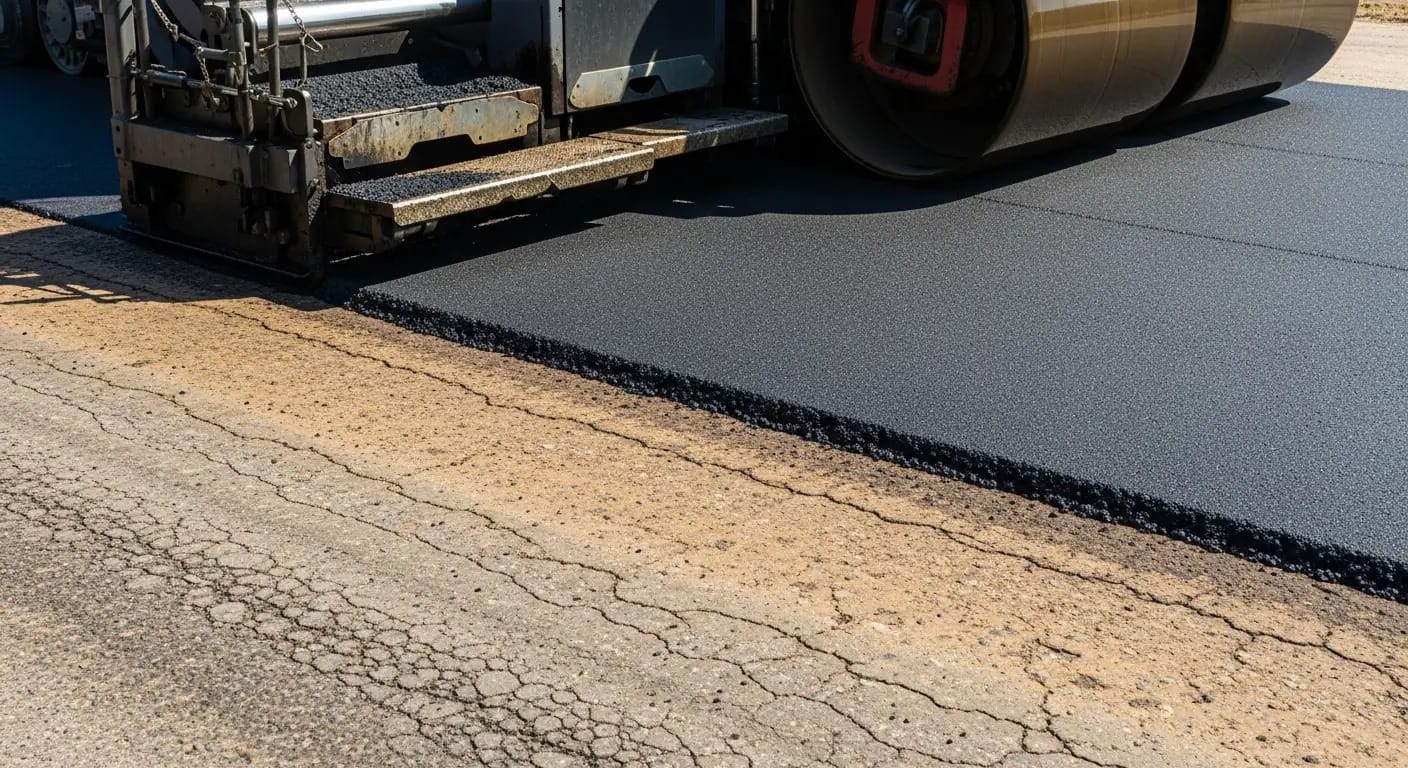
In this area, heavy pickup trucks, oilfield traffic, and constant UV exposure from West Texas sun all speed up pavement aging. You start to see shallow ruts in drive lanes, scattered alligator cracking, and standing water after a short rain. Resurfacing and overlays are designed for this exact situation. We repair localized base failures, then place a new asphalt layer over the existing pavement to create a fresh, structurally sound surface.
This service is well suited for shopping centers on 50th Street, office complexes near the medical district, churches, schools, hotels, and industrial yards with regular truck traffic. If the base is mostly intact, resurfacing can add 8 to 15 years of life at a lower cost than tearing out and rebuilding the lot. Precision Asphalt Lubbock evaluates each property on site so you are not sold a full reconstruction job when a commercial asphalt resurfacing solution will do the job correctly.
How We Evaluate Your Lot Before Recommending an Overlay
Before Precision Asphalt Lubbock recommends commercial asphalt resurfacing, we run through a specific set of checks. We are looking to answer one question: can your existing pavement support a new asphalt layer without failing early.
First, we walk the entire site and mark alligator cracking, potholes, heaving, and areas where water sits after irrigation or rain. In Lubbock, low spots often appear where caliche or poorly compacted fill has settled, especially along older utility trench lines. These areas usually need base repair, not just surface work.
Second, we perform core checks or test cuts where needed. This means cutting small squares or cores to see how thick your current asphalt and base actually are. A typical commercial lot in Lubbock that is a good resurfacing candidate has at least 2 inches of asphalt and 4 to 6 inches of compacted base that is still firm and dry.
Third, we review traffic patterns. Delivery truck routes, dumpster pads, drive thru lanes, and fire lanes all carry higher stress. In these zones, we might recommend a thicker overlay or localized full depth repair so the new surface does not rut out in a year.
Finally, we consider drainage. An overlay adds height, usually 1.5 to 2 inches. If that will push water toward building entrances or door thresholds, we adjust slopes with milling or localized leveling before resurfacing. This pre-planning is what keeps a resurfacing project from turning into a drainage problem later.
Our Commercial Asphalt Resurfacing & Overlay Process
Once a commercial asphalt resurfacing plan is set, Precision Asphalt Lubbock follows a defined step by step process so the overlay bonds properly and performs under local conditions.
1. Site preparation and sweeping: We begin by barricading sections of the lot and removing vehicles. Then we power sweep and clean the surface. Oil spots from long term parking are treated or milled out so they do not interfere with the bond between the old and new asphalt.
2. Milling and edge transitions: Where the new asphalt has to tie into city streets, concrete approaches, or ADA ramps, we typically mill the existing surface to keep finished elevations flush. In Lubbock, this is common at driveway connections to city-maintained roads and at entrances where there are tight grade constraints.
3. Base and patch repairs: We cut out and remove failed areas, then rebuild them with new base and asphalt to full depth. It is a mistake to cover deep alligator cracking or soft spots with an overlay. Those areas will reflect through and fail again. We fix them before we resurface.
4. Leveling course (if needed): If the lot has ruts or birdbaths where water stands, we install a thin leveling course of asphalt to smooth and reshape the surface ahead of the main overlay lift. This step reduces future ponding and makes striping accurate.
5. Tack coat: We apply a uniform tack coat (bonding agent) over the existing asphalt. In our climate, this is critical for keeping the new overlay tied to the old surface when temperatures swing from summer highs to freezing winter nights.
6. Placing the overlay: We use commercial paving machines to lay the overlay, not just hand work, so thickness is consistent. For most commercial lots, we install 1.5 to 2 inches of hot mix asphalt, compacted with steel drum and pneumatic rollers to the required density.
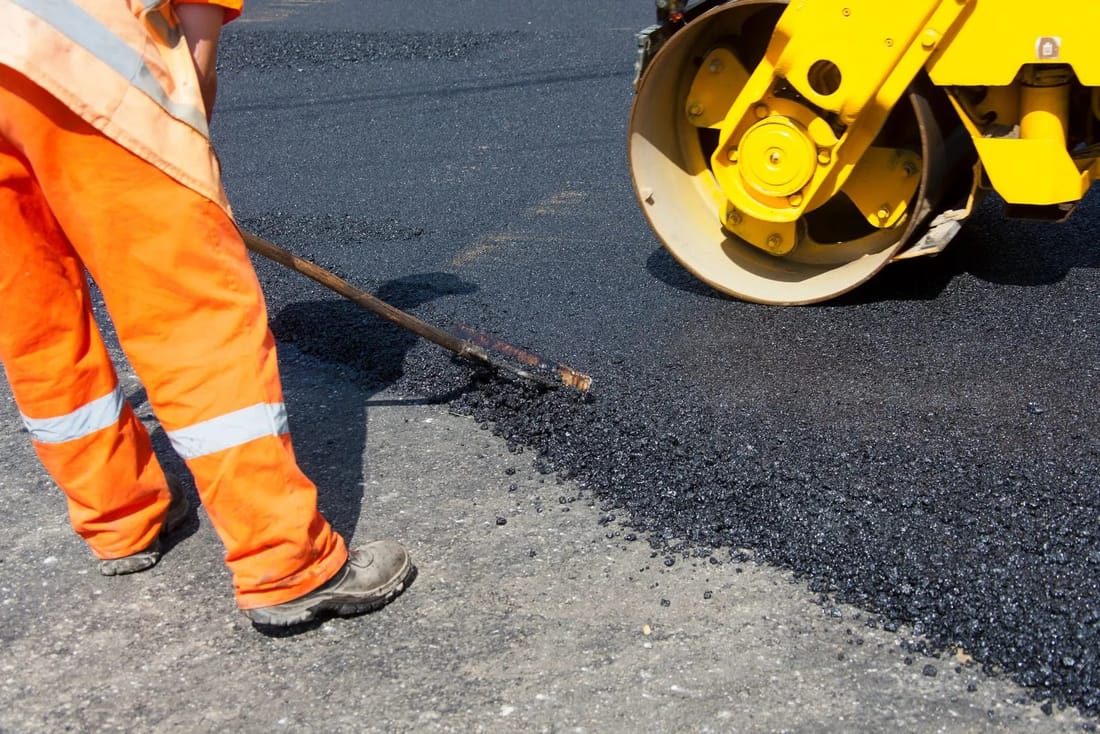
7. Final compaction and detailing: Rollers make several passes in a defined pattern to lock aggregates together and eliminate roller marks. Our crew hand finishes around inlets, curbs, and tight corners where machines cannot reach, so you do not get low spots around structures.
8. Striping and signage: After proper cooling, we restripe stalls, fire lanes, ADA spaces, and crosswalks, and reinstall wheel stops or signage that was removed before paving. The result is a resurfaced lot that looks new and meets local codes and fire lane markings.
Overlay Mix Options, Thickness, and What Drives Cost
Commercial asphalt resurfacing has real choices that affect performance and price. Precision Asphalt Lubbock explains these up front so you can match your budget to how you use the property.
Overlay thickness: The most common commercial overlay thickness is 1.5 inches compacted. Heavier traffic or existing rutting might require 2 inches or more. Thicker overlays cost more in materials and haul, but they also provide better load distribution, especially in areas with frequent semi truck or garbage truck traffic.
Mix types: For lots that see moderate traffic, a standard TXDOT-approved hot mix with a 3/8 inch aggregate is usually appropriate. For industrial yards or heavy truck routes, we often recommend a mix with a higher asphalt binder content or a coarser aggregate to resist shear and rutting. Around fuel stations or loading docks where spills are common, we may use specific binder grades that stand up better to petroleum exposure.
Site conditions: Extensive base failure, poor drainage, or the need for heavy milling will push costs up. An open, flat retail lot with few repairs will be at the lower end of the cost range for resurfacing. A site with lots of tight islands, small bays, and on site traffic control requirements takes more crew time.
Scheduling and access: Many Lubbock businesses want work done overnight or across weekends so customers are not disrupted. Night work requires more lighting, traffic control, and coordination, which affects cost. Sometimes it is still the best value because it avoids business downtime.
Material and fuel markets: Asphalt is tied to oil prices and haul distances. Because Precision Asphalt Lubbock operates locally and uses nearby plants, we can often keep haul costs lower than out of town contractors, especially for large overlay projects where every truckload matters.
Common Problems With Old Commercial Asphalt and How We Address Them
Most commercial properties call Precision Asphalt Lubbock because they are dealing with recurring problems, not because the lot simply looks faded. The way we approach resurfacing is driven by the source of those problems.
Alligator cracking and potholes: These usually indicate base issues, not just surface wear. Before a commercial asphalt resurfacing overlay, we remove and rebuild these sections to full depth. If you skip this step and just overlay, the cracks will reflect through and the potholes will return within a couple of years.
Standing water and ice spots: Lubbock does not get long winters, but when water ponds in depressions it can freeze, expand, and widen cracks. During resurfacing, we identify these birdbaths and correct them with patching or leveling courses so surface water runs to inlets or edges instead of sitting in the wheel paths.
Rutting in drive lanes: This is common in areas where heavy trucks follow the same path, like at drive thrus and loading docks. For these locations, we may recommend a combination of milling, localized base strengthening, and a thicker or stronger mix overlay so the rutting does not return.
Oil and fuel damage: Long term oil leakage can soften and weaken asphalt. Before placing an overlay, we either mill out the contaminated locations or treat them with special primers so the new asphalt bonds correctly. Ignoring oil spots is a frequent cause of early delamination.
Multiple prior overlays: Some older Lubbock parking lots already have one or two overlays in place, and elevations are close to door thresholds or curb tops. In that case, we may need to mill the lot down before installing a fresh overlay so you do not end up with trip hazards or drainage failures.
What Lubbock Property Owners Should Know Before Hiring a Resurfacing Contractor
Choosing a contractor for commercial asphalt resurfacing is less about the logo on the trucks and more about whether they understand local conditions and the technical side of overlays. Precision Asphalt Lubbock encourages property managers, facility directors, and owners to ask detailed questions before they sign anything.
Ask for a written scope that separates base repair, milling, leveling, tack coat, overlay thickness, and striping. If the proposal just says "overlay parking lot" with no detail, you cannot compare it against another quote or hold the contractor accountable for missed steps.
Confirm how drainage will be handled. A good resurfacing plan will mention low spots, inlets, and how final elevations will tie into sidewalks, docks, and entrances. In Lubbock, wind driven rain and short, heavy storms expose poor drainage quickly, so this is not a minor detail.
Check experience with active commercial properties. Paving at an open retail center or medical office requires phasing and clear communication with tenants. Ask how the contractor will phase the work, where they will stage equipment, and how they will keep drive lanes and ADA spaces accessible during business hours.
Review warranty terms and maintenance recommendations. A solid contractor will explain how soon to sealcoat, when to re-stripe, and how to manage heavy trucks to get the full life out of the overlay. Precision Asphalt Lubbock typically walks clients through a simple maintenance plan after the project so the resurfaced lot stays in good condition.
Finally, insist on local references with similar traffic and size. A small residential driveway and a 300 stall retail center are not comparable. We can provide examples of commercial asphalt resurfacing work around Lubbock so you can see how our overlays look and perform after they have had a year or two of West Texas sun and traffic.