Home › Commercial Gravel-to-Asphalt Conversions
Reliable, professional commercial gravel to asphalt in Lubbock, TX from Precision Asphalt Lubbock. Contact us today for a free on-site estimate.
Precision Asphalt Lubbock provides professional commercial gravel to asphalt throughout Lubbock, TX, Texas and the surrounding area. Our licensed, insured crew delivers safe, clean, on-time work with a free estimate before anything begins. Call (806) 230-5982 or request your free quote.
Turn Your Gravel Lot Into a Professional Asphalt Surface
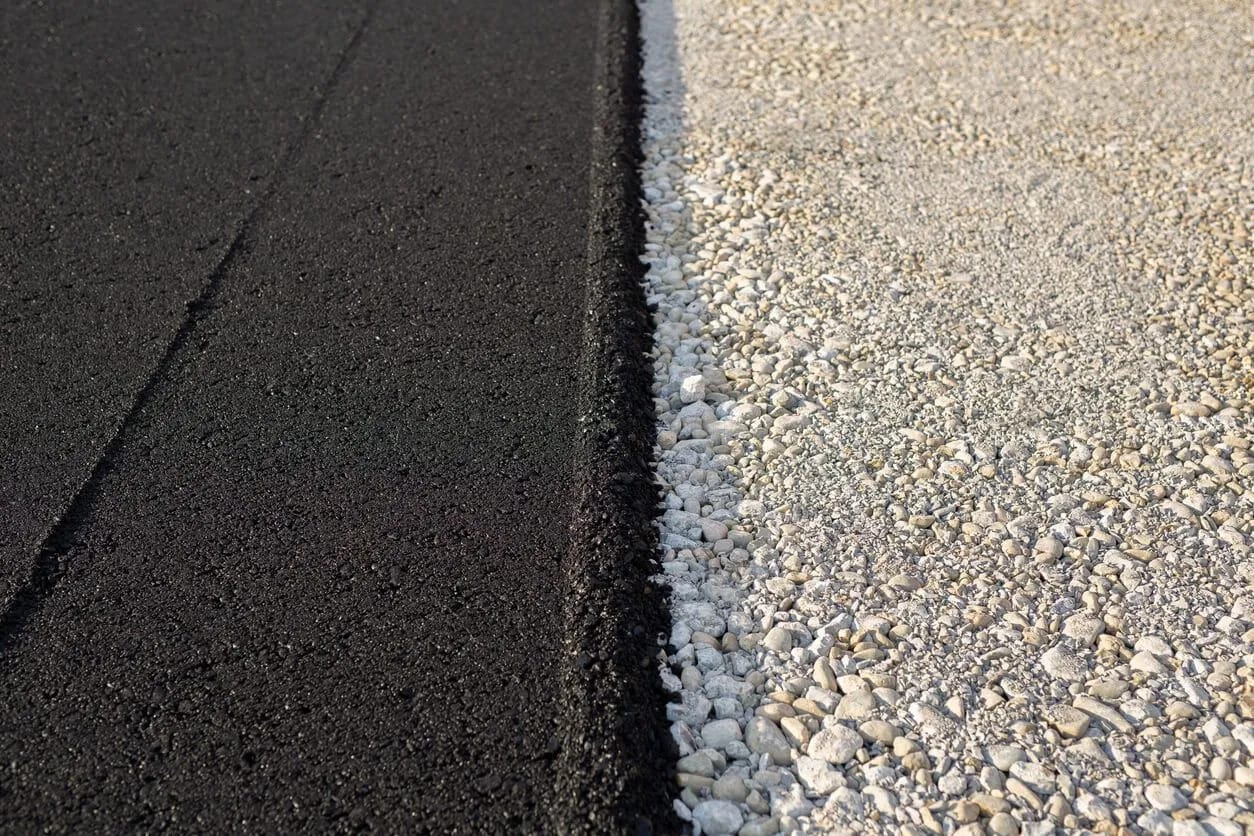
If you manage a commercial property in Lubbock, you already know the limits of a gravel parking lot. Dust on customers’ vehicles, ruts after every big rain, and constant grading all add up to lost time and money. Precision Asphalt Lubbock specializes in commercial gravel to asphalt conversions that turn rough, high‑maintenance surfaces into clean, stable pavement that looks professional and holds up to West Texas conditions.
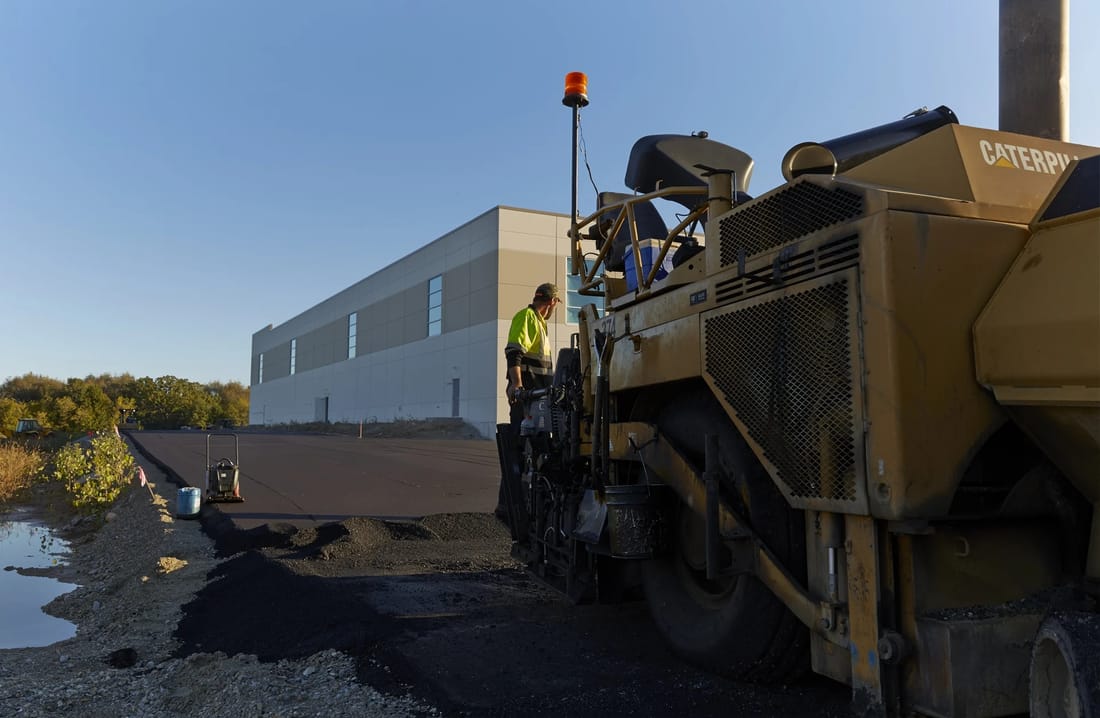
We focus specifically on existing gravel lots, drive lanes, and service areas. That means our crews and equipment are set up to work around occupied businesses, active deliveries, and customer traffic. From retail centers on Slide Road to warehouses along I‑27, we schedule work to keep your doors open and your liability risk low while the conversion is underway.
Our goal is not just to put blacktop on top of gravel. We create a pavement structure that is strong enough for your traffic, drains correctly in Lubbock’s sudden storms, and meets ADA and fire‑lane expectations so you are not fighting code issues after the fact.
How Commercial Gravel-to-Asphalt Conversions Work, Step by Step
A successful conversion starts with a detailed site evaluation. Precision Asphalt Lubbock checks your existing gravel depth, compaction, and subgrade, then looks for soft spots, pumping areas, and low spots that hold water. We verify where utilities enter the property and confirm any easements or access points so nothing gets damaged or blocked during construction.
The next step is grading and subgrade correction. We reshape the lot to establish proper slopes, usually in the range of 1 to 2 percent, to direct water to existing inlets or new swales. Soft or saturated areas are undercut, then rebuilt with new base material. In Lubbock’s clay soils, that often includes mixing lime or cement into the subgrade in problem zones to reduce swelling and shrinkage.
Once the subgrade checks out, we build a stable base. In many gravel lots we can reclaim part of the existing aggregate. We process it with a reclaimer or grader, add new flexible base where needed, then compact in multiple passes with vibratory rollers. For commercial traffic we typically target at least 6 inches of compacted base, more for truck routes or dumpster pads.
Finally, we install the hot mix asphalt. Commercial gravel to asphalt projects usually get two asphalt lifts: a base course for strength and a surface course for smoothness and appearance. Joints around existing pavement, sidewalks, and entrances are saw cut, cleaned, and tack coated so you do not get early cracking where new meets old.
Asphalt Design Options Tailored to Your Property and Traffic
Not every commercial site in Lubbock needs the same pavement design. Precision Asphalt Lubbock matches asphalt thickness and mix type to how your property is used so you are not overpaying in light‑duty areas or underbuilding where trucks turn and brake.
For retail and office parking lots that see mostly passenger vehicles, 2 inches of surface over 2 inches of asphalt base on a well‑built aggregate base is common. For warehouses, equipment yards, or restaurant drive‑thrus with frequent delivery trucks, we often bump the asphalt up to 5 or 6 inches total and locally thicken around dumpster pads and loading docks.
We also look at mix selection. A denser surface mix may be recommended near building entrances to resist fuel spills and tight turning. In shaded areas that stay damp longer, we can choose mixes that resist raveling and early cracking. If you have existing driveways or city tie‑ins, we design transitions so entry points are smooth and meet City of Lubbock expectations.
Striping and layout are part of the design as well. Converting from gravel to asphalt is the best time to correct inefficient parking patterns, add ADA‑compliant spaces and routes, and clarify traffic flow with arrows and stop bars so your lot functions better day to day.
Local Lubbock Weather, Drainage, and the Right Time to Pave
Lubbock’s climate has a direct impact on how and when commercial gravel to asphalt conversions should be done. Our high summer heat can help with asphalt compaction, but it also means we need to manage mix temperature carefully so the surface does not scuff under turning vehicles during the first few days. In the colder months, nighttime lows can limit paving windows and require adjustments to start times and lift thickness.
Severe thunderstorms and short, intense rain events are a bigger issue for old gravel lots than many property managers realize. If water currently ponds in your gravel, you will see the same or worse problems in asphalt unless we correct slopes and add drainage paths. Precision Asphalt Lubbock uses laser grading and on‑site water testing when needed to confirm that water moves where it should before we pave.
Wind and dust are another local factor. On unpaved commercial sites, Lubbock’s wind can carry dust straight into neighboring properties, cars, and storefronts. A properly designed asphalt surface, combined with stabilized shoulders or rock in unpaved areas, greatly reduces dust complaints and cleanup time.
In general, the best windows for full conversions are spring and fall, when temperatures are moderate and weather is more predictable. That said, our crews work year‑round, adjusting scheduling, compaction equipment, and cure‑time guidance to fit current conditions.
Common Problems With Old Gravel Lots and How We Fix Them
Most commercial gravel to asphalt projects start because of recurring problems: mud in wet weather, dust in dry weather, and a constant battle with ruts and potholes. Precision Asphalt Lubbock approaches conversion by eliminating the causes of those issues, not just covering them.
Soft, pumping spots usually indicate a weak or saturated subgrade. Instead of simply adding more gravel and paving over it, we excavate the bad material, improve the subgrade with stabilization when needed, then rebuild with quality base. This prevents new pavement from reflecting the same failures within a season or two.
Long‑standing low areas that hold water get corrected by re‑grading and, when required, adding new inlet boxes, valley gutters, or surface swales. For lots where elevation cannot be raised due to door thresholds or tie‑in elevations, we design flatter but still positive slopes and may combine them with trench drains or localized catch basins.
We also address edge breakdown, a common issue where trucks run off the side of a narrow gravel drive. When we convert, we can widen drive lanes, add thicker pavement near edges, or install concrete ribbon curbs or valley curbs so the asphalt edge does not crumble under repeated tire loads.
What Drives the Cost of a Gravel-to-Asphalt Conversion
Project cost is heavily driven by what we find under your existing gravel. A well‑compacted, thick gravel base can often be processed and reused, which keeps costs down. Thin gravel over soft clay, on the other hand, often requires more undercutting, new base, and sometimes soil stabilization. Precision Asphalt Lubbock explains these conditions in plain terms and shows you the options.
Other major cost factors include total square footage, asphalt thickness, and traffic type. A light‑duty employee lot will cost less per square foot than a truck yard that needs thicker asphalt and reinforced dumpster and loading areas. Drainage improvements, such as adding concrete flumes, valley gutters, or new inlets, add up front cost but usually pay for themselves by preventing early pavement failure.
Since this work requires heavy equipment, mobilization and phasing also matter. Breaking the job into multiple phases so your business can stay open might slightly increase overall cost, but it keeps revenue coming in and reduces disruption. We routinely phase drive lanes, customer parking, and back‑of‑house access so deliveries and emergency access are maintained.
Before you commit, we provide a detailed, line‑item proposal. This includes base repair quantities, asphalt thicknesses, striping plans, and any optional items like concrete curbing or added drainage so you can see exactly where your budget is going.
Planning, Permits, and Working Around Your Business
Turning a gravel lot into asphalt on a commercial site involves more than just construction. Precision Asphalt Lubbock helps you navigate planning, coordination, and any required approvals. Within Lubbock city limits, some projects require review for drainage or drive approaches. We coordinate with you and, when needed, with your engineer or architect so the design is acceptable to local authorities.
For active businesses, the most important task is a workable phasing and access plan. Together we identify customer entrances that must stay open, high‑traffic times to avoid, and delivery schedules. We can set up temporary gravel or asphalt ramps, re‑route vehicles with cones and signs, and schedule the most disruptive work during off‑hours or weekends when possible.
Once paving is complete, we typically stripe within 24 hours (weather permitting) and post any temporary parking restrictions while the asphalt cools and gains strength. You receive simple maintenance guidelines, such as when to allow heavy trucks, when to schedule the first sealcoat, and what to watch for in the first rainy season. The result is a commercial gravel to asphalt conversion that improves curb appeal, safety, and long‑term value with minimal downtime for your operation.